


SALT LAKE CITY — As Utah gets ready to host the Olympics in 2034, lawmakers are anticipating they will have to make some changes to the state's notoriously unique liquor laws.
But lawmakers could also borrow something from the European tourists who often visit to explore the red rocks of southern Utah and the ski slopes to the north: a .02 blood-alcohol level for drunk driving.
"If you look at Europe, their tolerance in most countries is .02, and then they have some pretty drastic penalties and seem to get along really well with that," Sen. Jerry Stevenson, R-Layton, told FOX 13 News in a recent interview. "That's a very much a possibility, someplace we could move to. But that will require more study, that probably will not happen this year."
Sen. Stevenson is one of the lawmakers tasked by the Republican supermajority in the Utah State Legislature with running alcohol bills. They are often carefully negotiated and crafted with input from stakeholders ranging from hospitality and restaurant groups to alcohol abuse prevention advocates. Even The Church of Jesus Christ of Latter-day Saints weighs in with lawmakers.
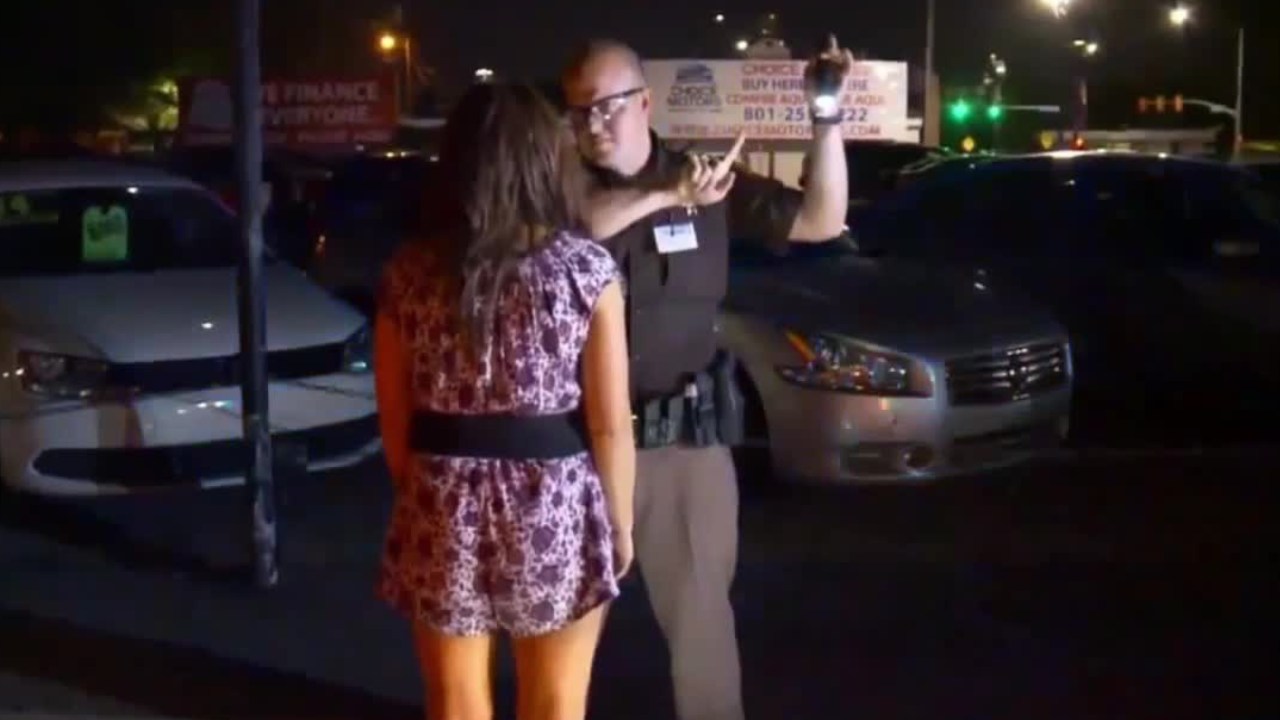
Utah currently has the nation's toughest anti-drunk driving law at .05 BAC and recently implemented a 100% ID check at any location that sells or serves alcohol. While Sen. Stevenson cautioned that moving to a .02 DUI law is not likely to wind up in the omnibus alcohol bill in the 2026 legislative session, he confirmed it has been discussed.
"All I'm saying is we're just looking at those type of things," he said. "There's a lot of things, and I think there are... pieces of models that we in Utah could certainly look at to come up with a very acceptable process for European visitors that are here, visitors from all over the country that are here, and yet would fit a model that fits Utah."
Such a move could have big implications for tourism and Utah's image, where liquor laws are sometimes viewed as "quirky." But even those who have advocated on Utah's Capitol Hill for tougher laws against drunk driving have adopted a "wait and see" approach before weighing in on the idea.
"I think it’s important for everyone to realize that a person is impaired after the first drink. I think the real message that’s critical for Utahns is don’t drink and drive," said Glendon Mitchell, the grandfather of Eli Mitchell, who was killed in a 2022 crash involving a repeat DUI offender.
Lawmakers are expected to consider some slight modifications to Utah's 100% ID check law to accommodate foreign visitors who don't bring their passports to a bar or restaurants.
What is expected in the upcoming omnibus alcohol bill will impact restaurants across the state. Lawmakers are expected to address what's known as "proximity." That's how close an establishment that serves alcohol can be to a community location like a park, church, library or school. Currently, Utah law forbids any liquor license being awarded to a place within 200 feet of a community location.
That's been a problem for a lot of places in Utah, where people want restaurants near parks or other community centers. It's impacted plans for a massive redesign of downtown Salt Lake City for the Smith Entertainment Group's vision for the area surrounding the Delta Center (it's near the Japanese Church of Christ) and a hotel near Sugar House Park.
So lawmakers are exploring whether to allow a little wiggle room if local leaders don't have a problem with it.
"What we’re looking to do this year is create a waiver process where a local government, through the land-use application process, can look at this and determine whether or not they can allow a bar or restaurant to be close to a park or a library," said Lincoln Shurtz, a lobbyist for the Salt Lake Area Restaurant Association, who added Utah's Department of Alcoholic Beverage Services would still have to grant final approval.
Lawmakers are also exploring modifications to the 70/30 split for restaurants that sell alcohol. Currently under Utah law, a licensed restaurant can have no more than 30% of their total sales be in alcohol.
"We all are trying to push the price of food down, and you see the price of alcohol going up. That dynamic has changed significantly," Shurtz said. "We restrict how many bars we have in this state, we don’t so much on the restaurant side. We do have this conundrum where restaurants are technically by definition becoming bars because they don’t meet that threshold of food sales."
While the ratio itself may not change, how it is calculated might. Shurtz said they are discussing whether it's a wholesale price versus a retail price in the overall calculation to prevent restaurants from losing their liquor license because they are deemed a "bar."
Sen. Stevenson said he did not anticipate they would look to add more bar licenses. Utah allocates bar licenses by a population quota — one license per 10,200 people. Under a law passed in 2024, it would graduate to one per 7,264 people by 2031.
"We're not seeing quite as much demand," Sen. Stevenson said. "So I'm not sure we'll have to go back in and look for more licenses this year, as we've done in the past."
