



SALT LAKE CITY — The Food and Drug Administration has approved a new drug that will likely prolong the lives of those with pancreatic cancer.
For decades, most people who contracted pancreatic cancer essentially received a death sentence. After diagnosis, patients rarely survived for more than six months.
Duroxonrasib, sold in pill form as Rasonque, isn’t a cure, but it is already giving pancreatic cancer patients additional time to live.
Utah’s own Gary Wight is one of them.
In 2024, Wight was one of nearly 60,000 Americans diagnosed with pancreatic cancer each year.
Wight said the news was devastating.
“I was told that I had two to three months to live," he shared.
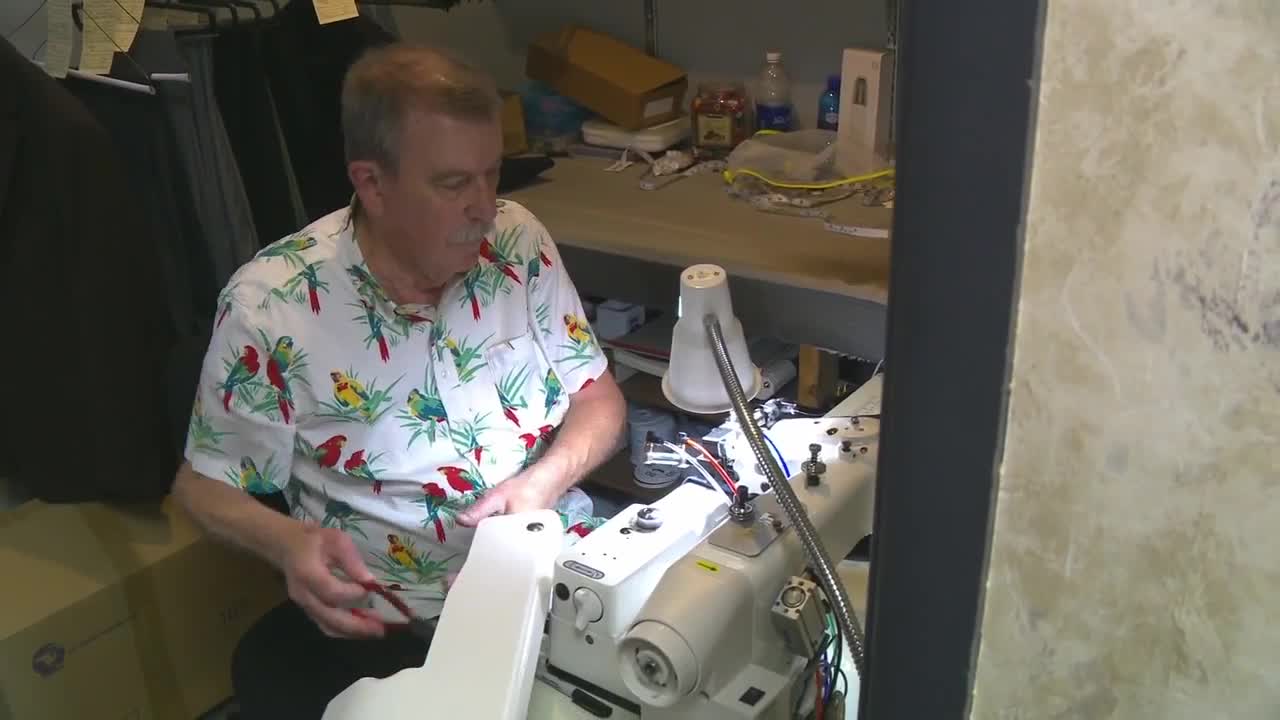
But he’s still here, still working at his Latter Day Suit shop in Bountiful, all thanks to being part of a clinical trial featuring the new drug.
Wight said he now understands the term, “timing is everything”.
“And we filled everything out that day and the next morning got it turned into the program and I was accepted, last one in this clinical trial," said Wight.
Scientists and doctors at Huntsman Cancer Institute were part of that national clinical trial, helping patients like Wight.
Dr. Conan Kinsey, a Huntsman Cancer Institute physician said it’s been challenging and fulfilling work.
“We were one of the first centers to enroll patients on this drug four years ago. So we were involved in the phase one, phase 2 trial that started in May 2022," said Dr. Kinsey.
Kinsey didn’t treat Wight, but he has helped other cancer patients. He was at a medical conference in 2018 where scientists working on Duroxonrasib presented their initial findings.
“And everybody was floored; just the responses in mice and clinical responses were amazing. And we knew this was probably going to be something big," Kinsey said.
Successful clinical trials across the country, like the one Wight was in, led to the FDA approving the drug for widespread distribution Wednesday.
Wight said the drug stopped his cancerous tumors dead in their tracks, and gave him a new lease on life.
“This is not a cure, but I’ll take it. It’s given me right now, close to two years that I’ve been able to spend with my wife and my children and my grandchildren, and my great grandchildren. And that makes life so worth living," he said.