



SALT LAKE CITY — It has been 40 years since the Challenger disaster captivated this country, and even though we have made strides in space travel and technology since then, watching something like that can stay with you.
At least, it did for Susan Horstman.
“I learned to fly in 1970,” she said.
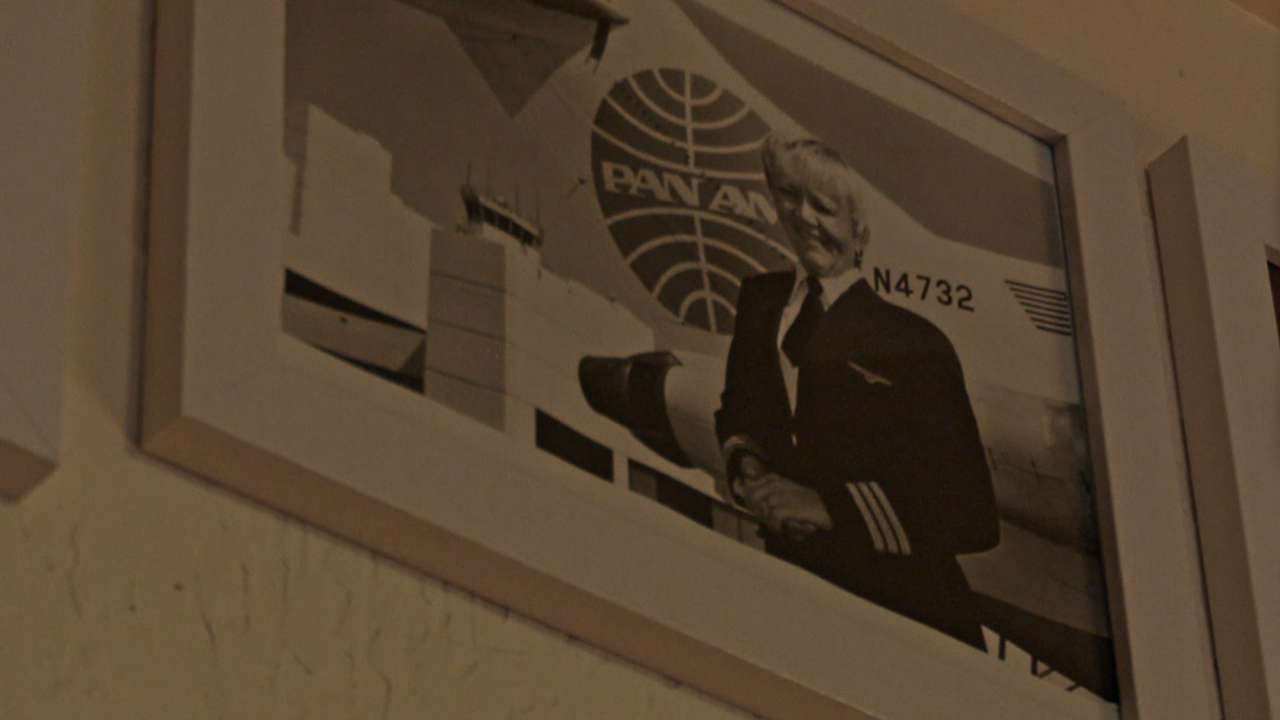
After putting in the work to become a pilot, Horstman was hired by National Airlines. She was the only female pilot there. When Pan Am bought the company, she was the first female pilot at Pan Am, and the only one for about 8 years.
"Somebody asked them about female pilots, and they said, 'Well, we aren’t going to have any for a while,'” Horstman recalled. “And I had two captains on either side of me lift up my chair and said, 'Too late, she’s already here.'"
Her home is filled with aviation trinkets and memorabilia from her days flying. From flight manuals to old photos and posters, her home is a tribute to the skies.
But there's one day in her career that has stuck with her. She was flying into Miami on Jan. 28, 1986.
"They had been announcing that the Challenger was going to take off and you have to watch out for that area, it’s a restricted area,” she explained. “And so I had just gotten on the loudspeaker for the passengers in the back, and announced that if they look to their right, they can see the launch of the Challenger. So we were all looking and watching and watched it take off and go into the sky, and then we saw it split.”
Along with her passengers, Horstman watched the Challenger space shuttle explode, killing 7 people on board.
"To see it at somewhere between 10 and 15,000 feet in the air,” she said, “it’s a different vantage point."
She remembers passengers asking her if she knew what happened as they were getting off the plane. She didn’t find out what exactly had happened till later.
"You never forget it, and the fact that I’m in aviation, you always think of aviation and crashes and anything that can happen, you’re very attuned to that,” Horstman said.
She added that lessons were learned that day, and moving forward is what matters.
"You can always improve on something, but it doesn’t stop us. We're still going out into space, we're still doing things, to improve,” she said.
And whether it’s to girls who want to be pilots or anyone who wants to do something groundbreaking in their own way, Horstman said it’s important to put in the work and do your best.
"Find your way to maneuver in and out of what you want to do, but do it with a smile on your face, and you'll get there,” she said.
