


BRIGHAM CITY, Utah — The mother of the disabled man killed along with two others in a running van in West Valley City felt she was one step closer to getting justice for her son.
"I feel very strongly that they are appropriate, deserved,” said Wendy Rollins. “When you make a decision to take three individuals’ lives, you need to face murder charges."
The Salt Lake County District Attorney announced Friday that three counts of murder were filed against Isaiah Pulu.
Puli, 25, was arrested last week after leaving three special-needs adults in his van while Pulu went to eat lunch, leaving the van running in the garage for four hours. The Medical Examiner's Office reported they likely died from carbon monoxide poisoning.
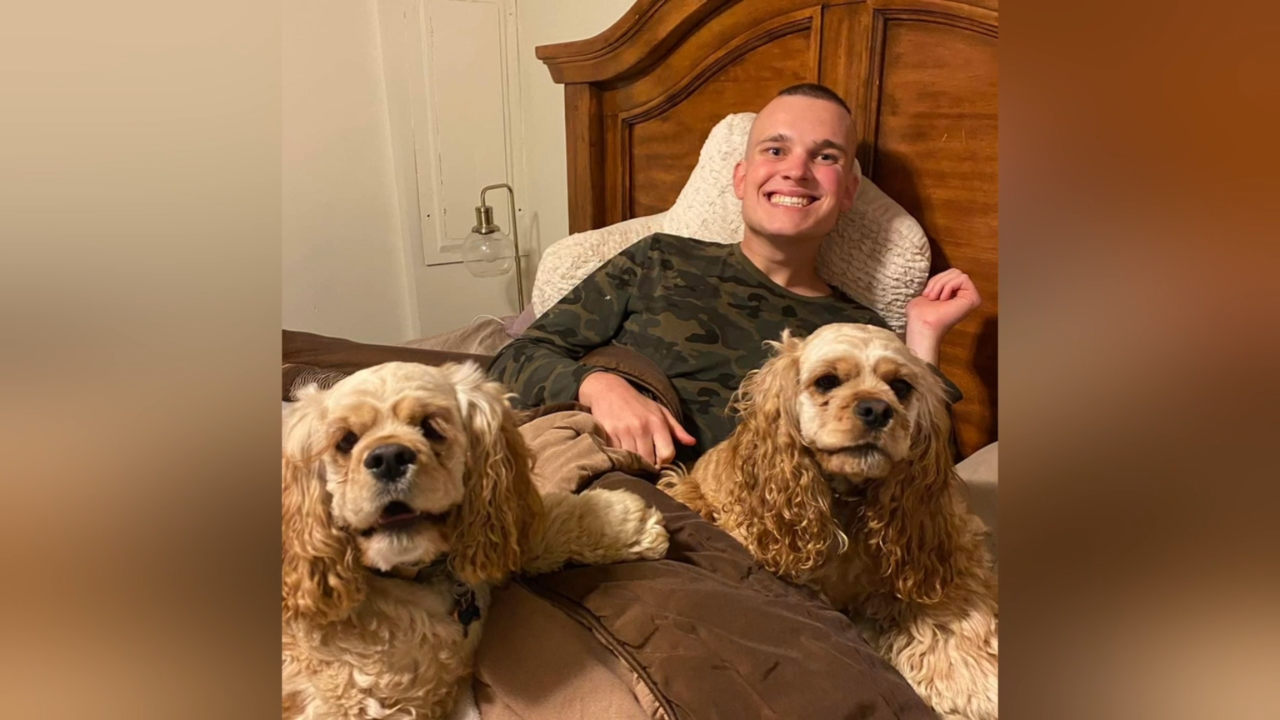
Rollins’ son, 25-year-old Colton Moser, was one of them.
Moser was diagnosed with severe autism. His mom said he was non-verbal and still a child developmentally. Rollins said because of his aggressive behavior, he had to be in care programs. Most recently, he was at ‘Safe and Sound Services.’ One of the staff members there was Pulu. We spoke to Rollins earlier in the week about her son, and she is still looking for answers.
"He knew these individuals, he knew their level of functioning, he knew that they needed supervision, and he knew what would happen when he backed that van into the garage,” said Rollins.
Pulu is facing murder charges for Mosers’ death and two others at the same program. According to charging documents, Pulu brought the three men to his apartment complex during the day, left the van running and the three of them inside, when he went upstairs to watch TV and eat. When he came back, the three were not breathing. Officials said they believe the three died of carbon monoxide poisoning.
"The nightmare I’ve dealt with is picturing Colton, who has never had language, he has never spoken, being closed in a dark garage, in a van, that was cold and not knowing why, not knowing why somebody wasn’t helping them, and I thank God he was with two of his brothers,” said Rollins.
She said she believes the program also played a role, especially because other staff members let Pulu take them and they were all unaccounted for for hours.
"There were commitments made and documented that there would no longer be aggressive behavioral clients transported, one, together in the van, but two, without adequate staffing so that that could be prevented,” said Rollins.
She also echoed what the Salt Lake County District Attorney said, that there had been performance issues with Pulu in the past. She said she was upset that he admitted to doing this before.
"Absolutely brings the mother bear out in me,” added Rollins. “Not just for these three boys, but for clients that are still in that program and for clients at this level of functioning in other programs where everybody knows that that happens all the time, and it takes a tragedy for the public to even take notice."
She said Moser was not allowed to go to a staff member's home, other staff should have kept tabs on all of them, and said she was infuriated that he admitted to authorities leaving the men by themselves to calm down.
"I have never ever heard of isolation being a tactic, that is not what we do in this day and time,” Rollins said.
She said she hopes this helps people see the issues across care problems all over.
"Really good programs won’t take our kids,” said Rollins. “With aggression, behavior, more severe disability level, they won’t take them or they try and then they can’t keep them and for very understandable reasons. But there are no good options."
She wants to continue to be an advocate for her son and others like him. She said she thinks that more funding and oversight at these facilities is crucial.
She hopes to see staff get paid better so clients can have better levels of care, and more attention is given to where these programs are spending money – for example, Rollins said Moser was supposed to have a one-on-one aid that was paid for, but that wasn’t the case.
"The best way that everybody can honor all three victims is to make sure that there's justice and that the families that are still coping with this that have clients in placement, have improvement and change,” she said.
